.svg)
.avif)
Forest Density : Why Low-Density Living Changes Everything
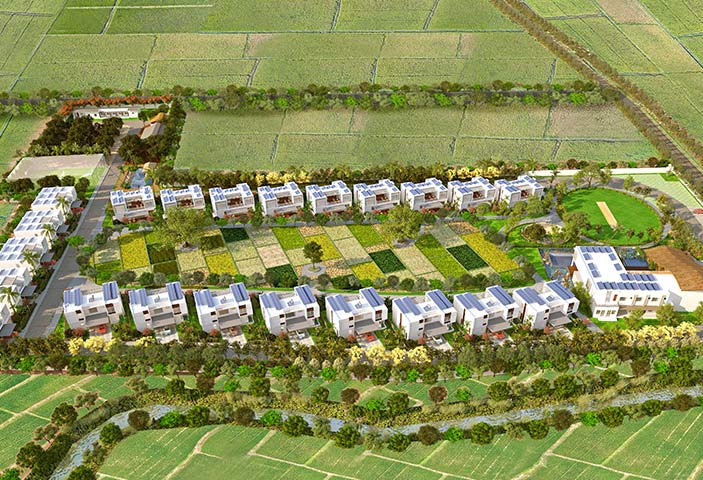
The difference between a forest and a garden is not botanical—it is architectural. One immerses you; the other surrounds you. At Organo Depalle, this distinction shapes every decision about how homes sit within the landscape, how residents move, and what "forest living" truly means as a spatial experience.
While most residential developments treat density as a financial constraint to be maximized, Organo Depalle inverts this logic. Here, density is a design tool that determines the quality of solitude, the probability of meaningful social encounters, and the health of the forest ecosystem.
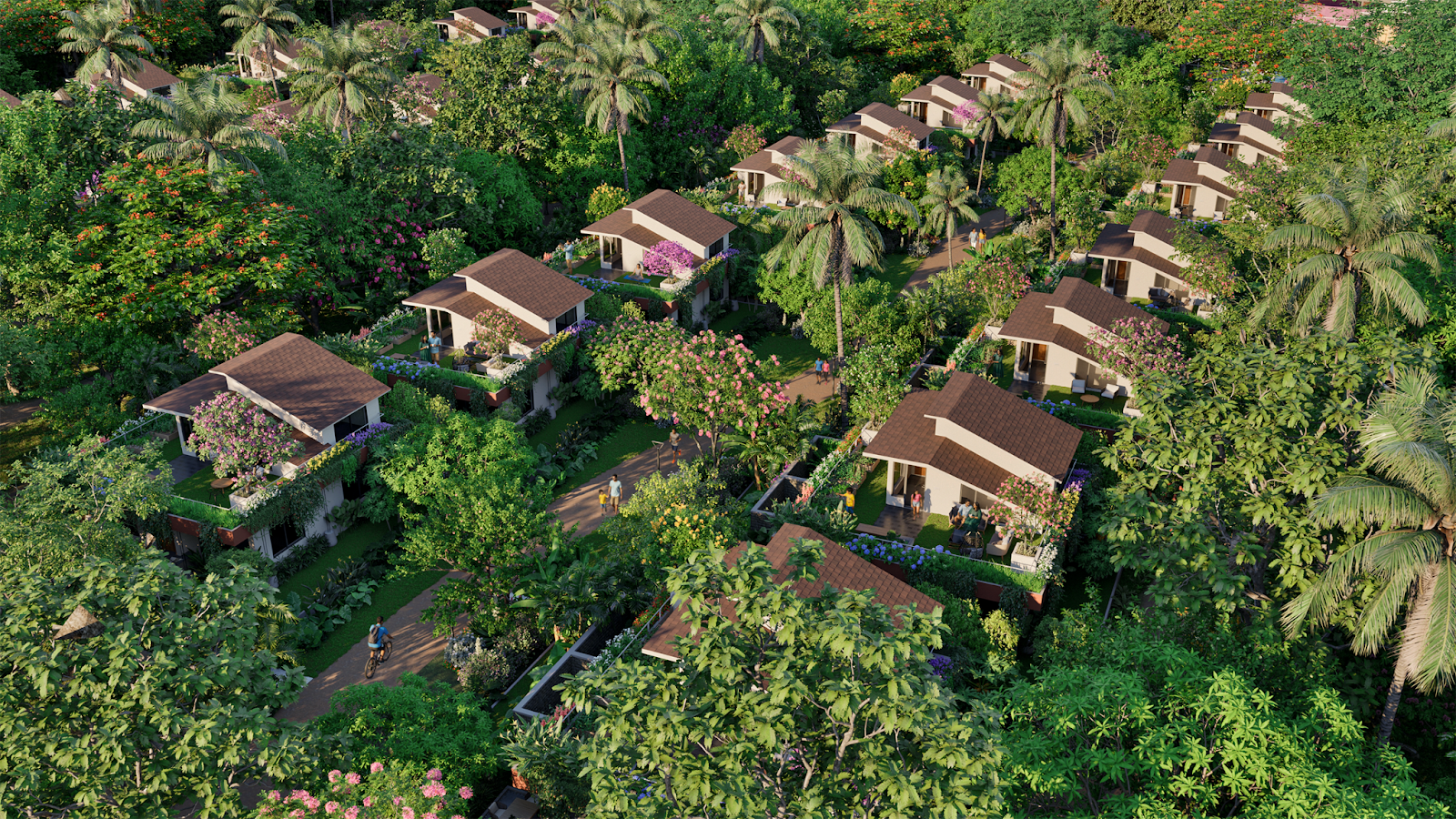
Spacing as Sightline Strategy
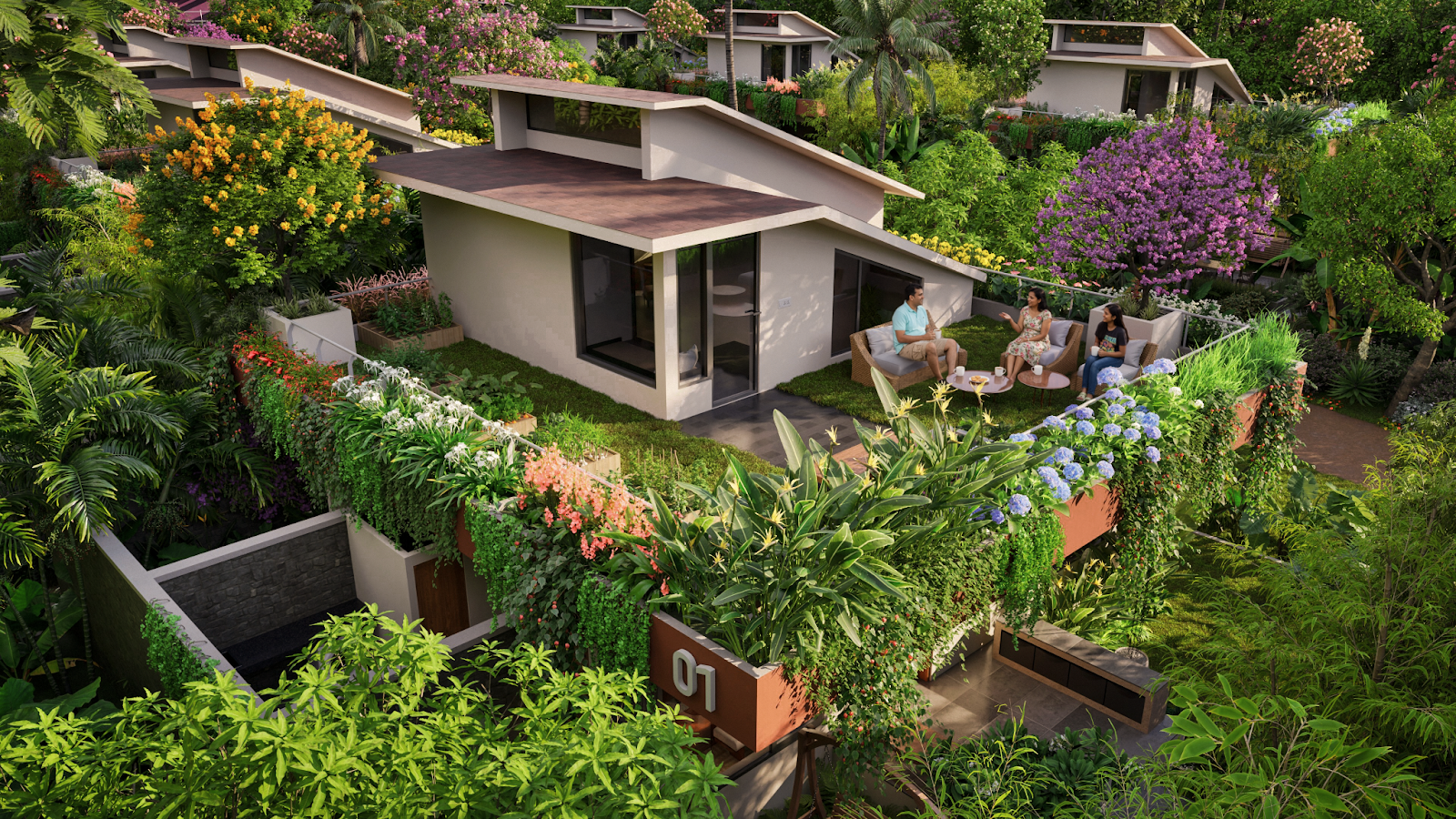
Low-density planning is fundamentally about the visual field. Environmental psychology shows that continuous views of vegetation reduce cortisol and support attention recovery. By spacing homes widely, the visual field extends into canopy depth, creating the neurological effect of "openness" associated with restoration.
This is deliberate sightline planning. Home placement considers corridors through the timber; pathways maximize canopy views while minimizing home-to-home visibility. You stand on your deck and see forest—not rooflines or neighboring activity. What your eyes rest on daily shapes your entire relationship to home.
Walkability and the Scaled Journey
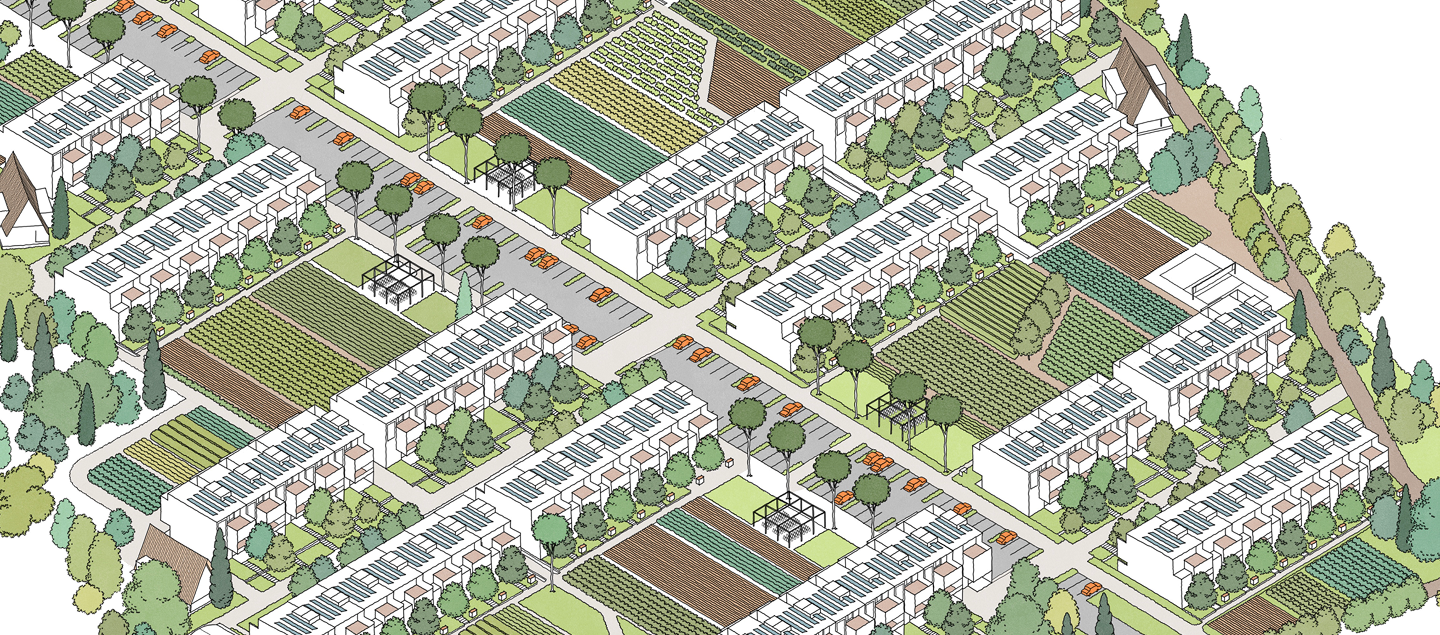
Conventional thinking suggests low density reduces walkability. At Organo Depalle, the opposite occurs. By relegating parking to the perimeter and creating car-free interior zones, movement becomes purposeful rather than vehicular.
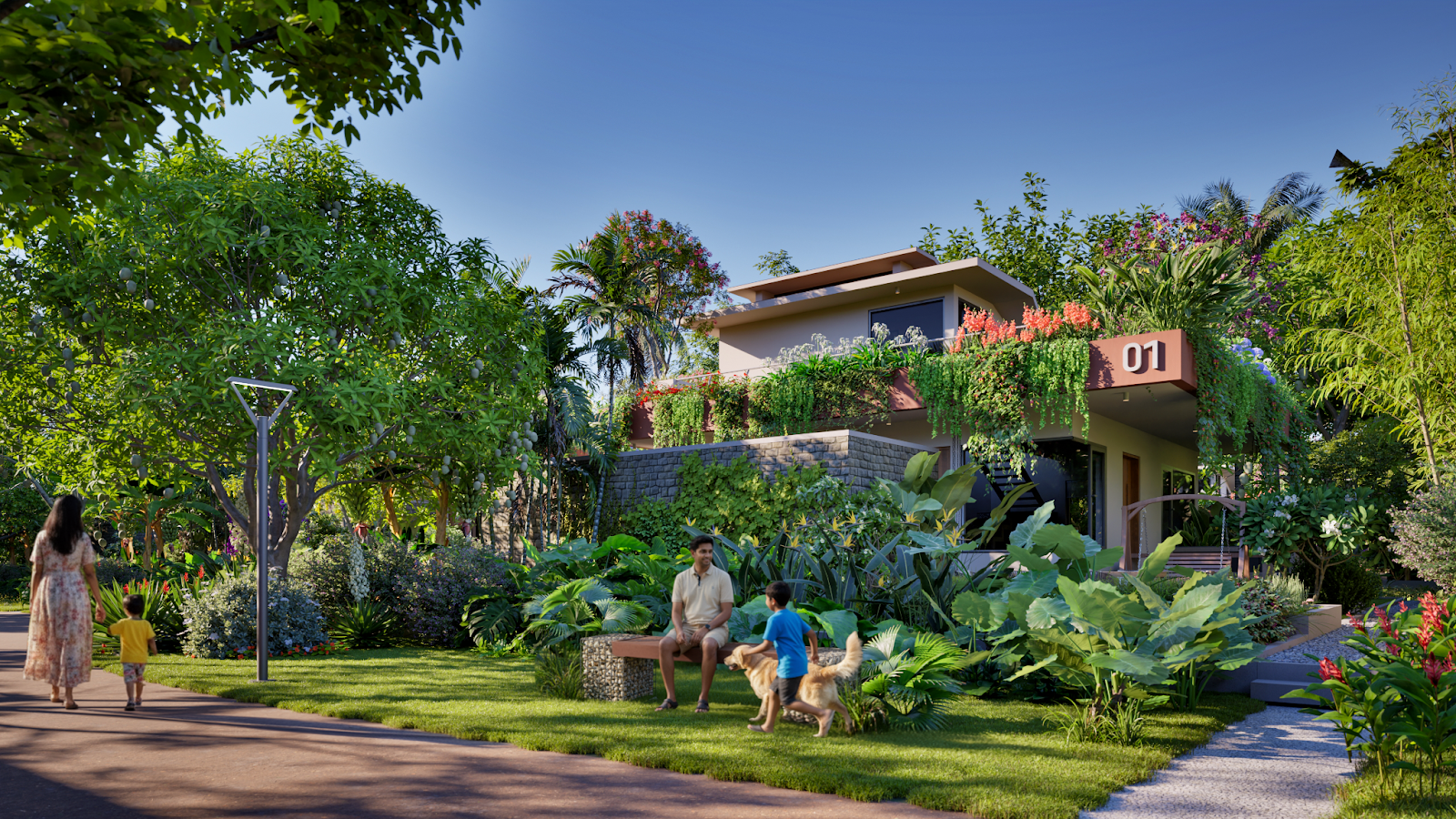
Homes are spaced generously enough that the walk to the Forest Club or farm store becomes a "micro-journey." The distance rewards slow movement. A resident passes a few homes before reaching community facilities, creating natural opportunities for encounters—a neighbor watering a rooftop garden or children playing in a clearing. These generous intervals invite pausing and observation, turning the journey itself into an amenity.
The Forest Floor: Where Density Meets Ecology
Low density permits forest floor regeneration. Soil compaction from heavy construction and continuous paving impairs the microbial networks and water infiltration that sustain forest health. When spacing is generous, ground disturbance is minimized, and canopy continuity is preserved.
This is practical ecology. A forest that regenerates its own soil and nutrient cycles is one that residents can inhabit without exhausting. Unlike dense developments that require artificial irrigation and soil amendments, low-density planning allows the forest to sustain itself—and, in turn, the people within it.
Solitude as a Designed Condition
In modern life, genuine solitude is scarce. Low-density planning makes solitude an intentional design outcome. Your home sits far enough from others that silence is actual, not theoretical. The ability to be alone without isolation is a design achievement. It requires that the forest remains primary and the human settlement remains secondary,ensuring pathways do not funnel residents into constant, forced visibility.
The Threshold of Wildness
Low-density living creates a true threshold between domestic space and the wild. This is not "landscaping" or a "garden," but an edge where controlled space abuts wild regeneration.
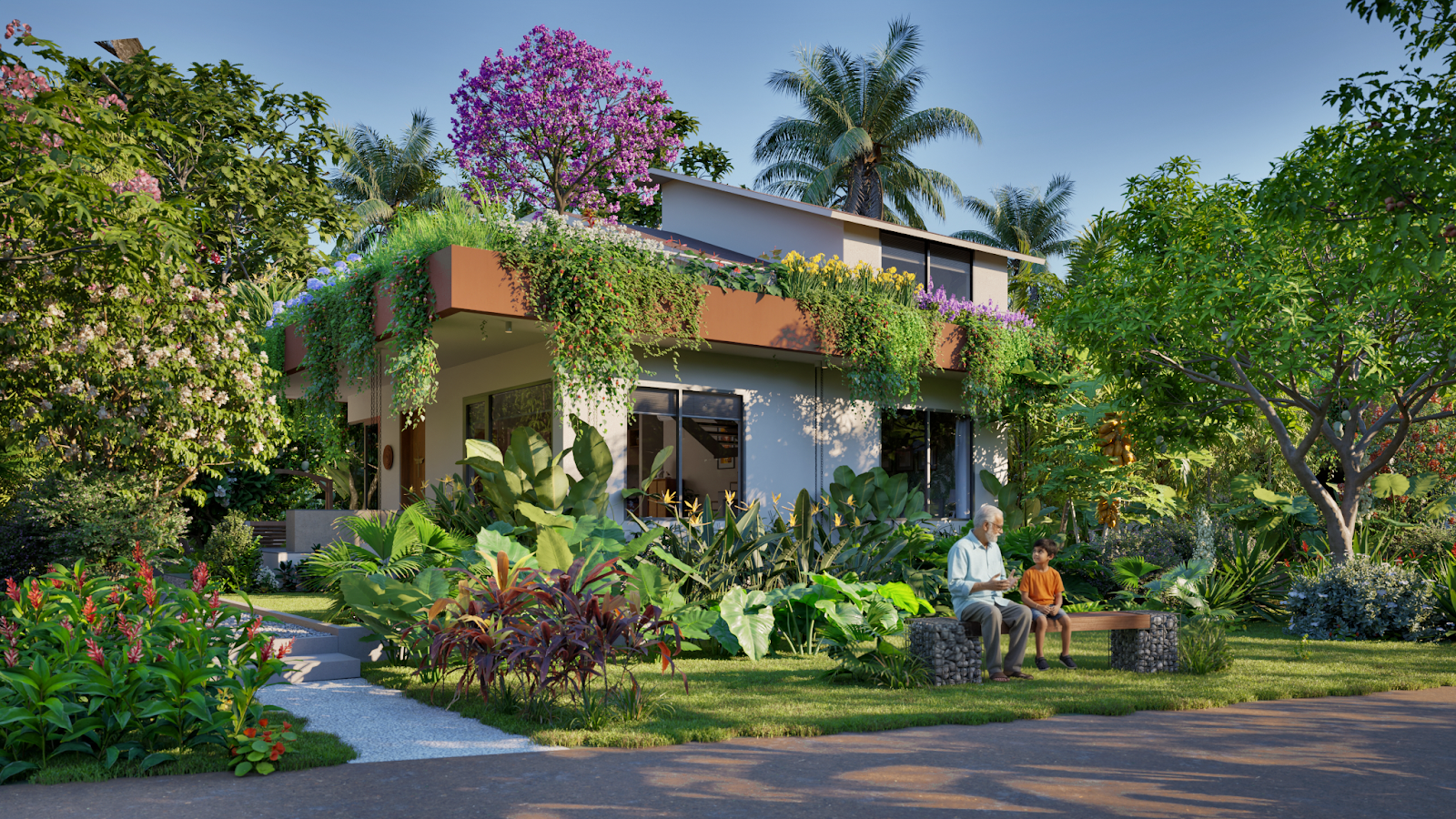
Ecologically, this avoids sharp edges that de-stabilize microclimates. Psychologically, it shifts the resident’s perspective from being a "customer in a development" to an "inhabitant of a forest." You step from your deck into an ecosystem that is larger and older than the settlement itself.
The Experience of Belonging
Ultimately, Organo Depalle resolves the contradiction between the desire for community and the need for solitude.Low density permits both: homes are spaced widely enough to feel private, yet are linked by paths that encourage human-scale encounter.
This is the essence of forest density—a deliberate architectural choice to let the forest, the people, and the paths between them coexist in a balance where no single element dominates the other
Related blogs


%2520(1).jpeg)
.png)