
By
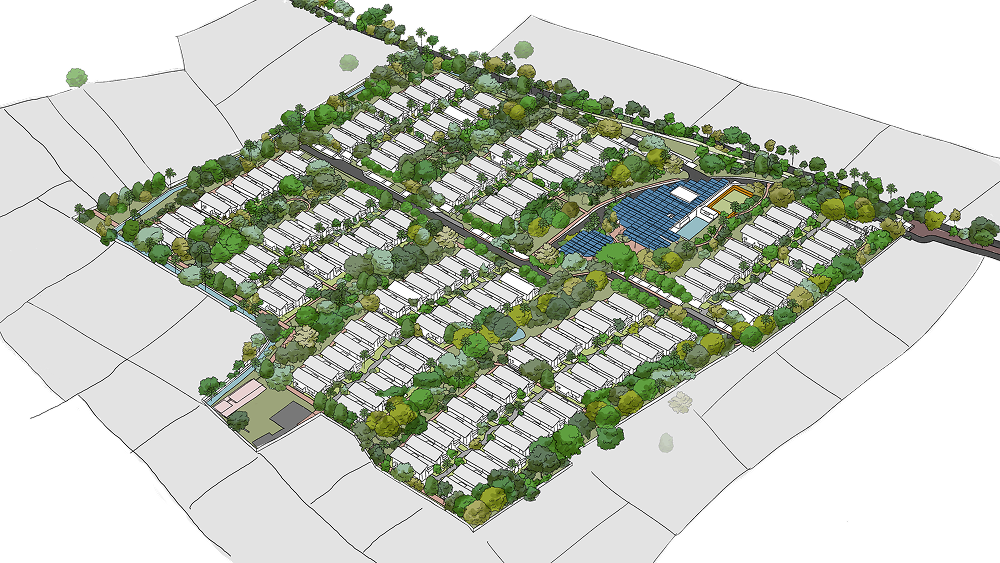
At Organo Ibrahimpalle, we didn’t retrofit sustainability into our design. We began with it. Sustainability isn’t a feature at Organo. It’s the DNA.
The master plan wasn’t drawn from a grid or a sales matrix. It emerged from our belief that the interconnectedness of air, water, food, earth, shelter, energy, and people must be integrated into all aspects of design. These are the Sapthapatha, the seven strands of sustainability that guide every Organo eco-habitat. These strands are not symbolic, but spatial. Each translating to zoning, form, access, vegetation, and experience. Here’s how each of these seven threads wove themselves into the layout of our homes, streets, commons, and wild edges.
1. Air: Designing with the Wind
To ensure ventilation and thermal regulation without defaulting to airconditioning meant working with the wind and not the property lines. So we studied how it moved through the land before placing the first wall.
Spatial Zone : Beyond this, public pathways and community layout was designed to deliver breezeways, shaded veedhis, ventilated built-to-open zones, tree-lined pedestrian streets so that walking is a joy not a chore to be executed in the shortest possible time with discomfort.

2. Water: Respecting the Flow
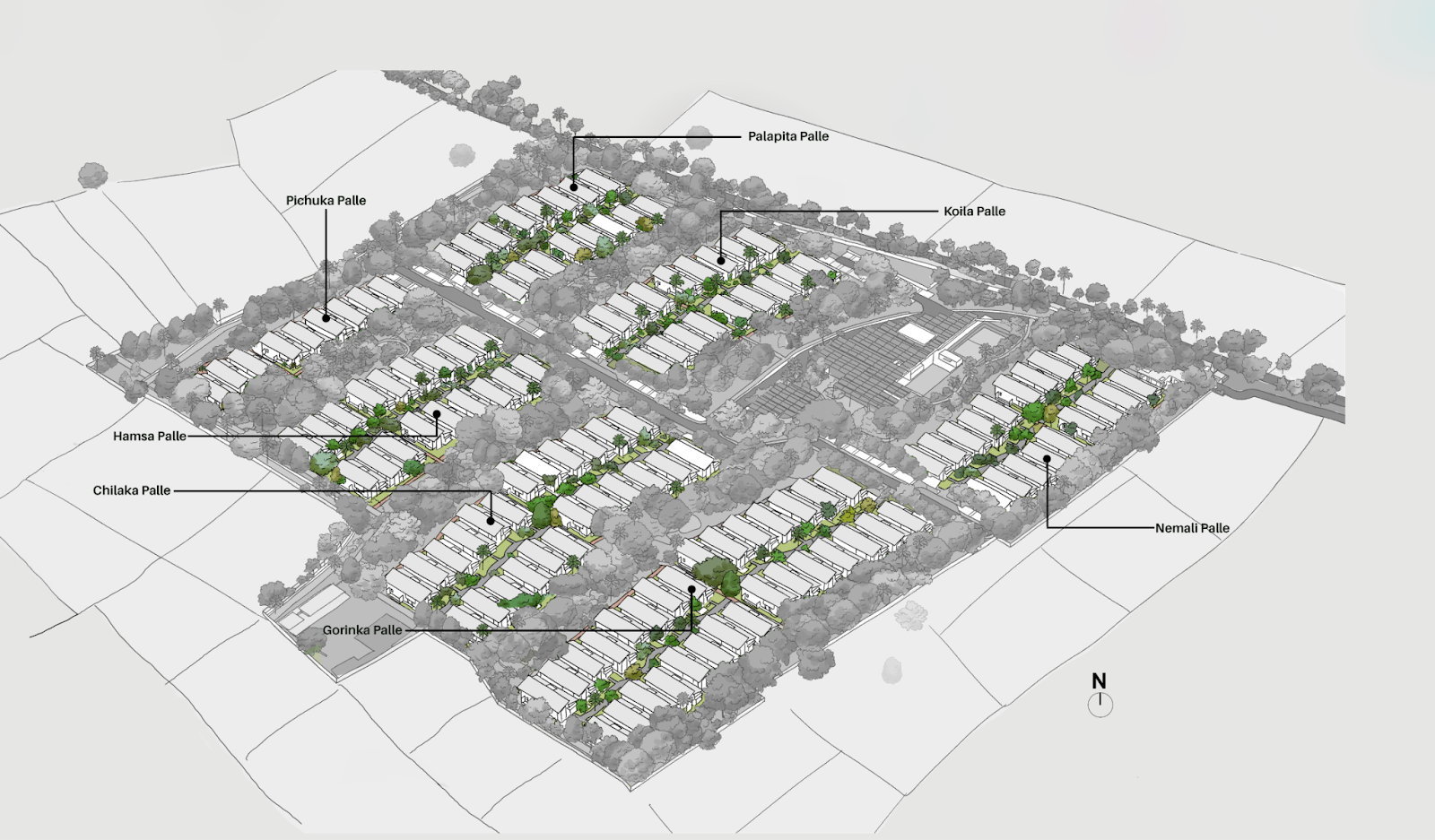
At Organo, water is not just a utility here, it’s a collaborator. So at Ibrahimpalle we worked to ensure rain is never anything other than a source of joy and value.
Spatial Zone: Bioswale corridors, creek buffers, water commons, rainwater pathways, recharge gardens all ensure that we’re leveraging nature given resources efficiently for farming and living.
3. Food: Edible Landscape, Everywhere
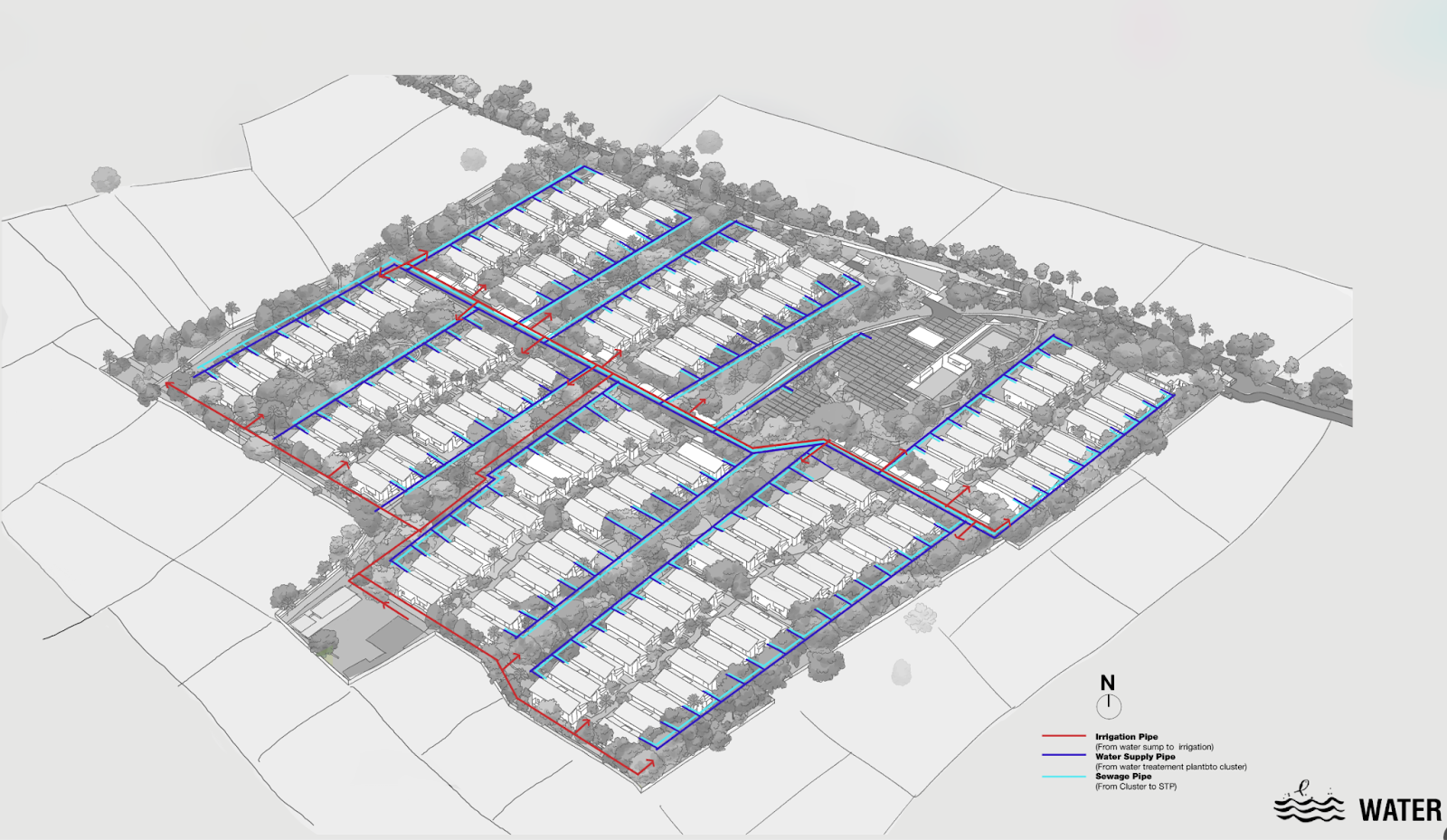
At Ibrahimpalle, food and forest are not disconnected. Immersion in experiencing safe and witnessed food is set up to be both a personal and a community experience.
Spatial Zone: Food forest zones, community farms, home kitchen garden plots, orchard streets all are part of a food ecosystem for safe and witnessed food that nourishes.
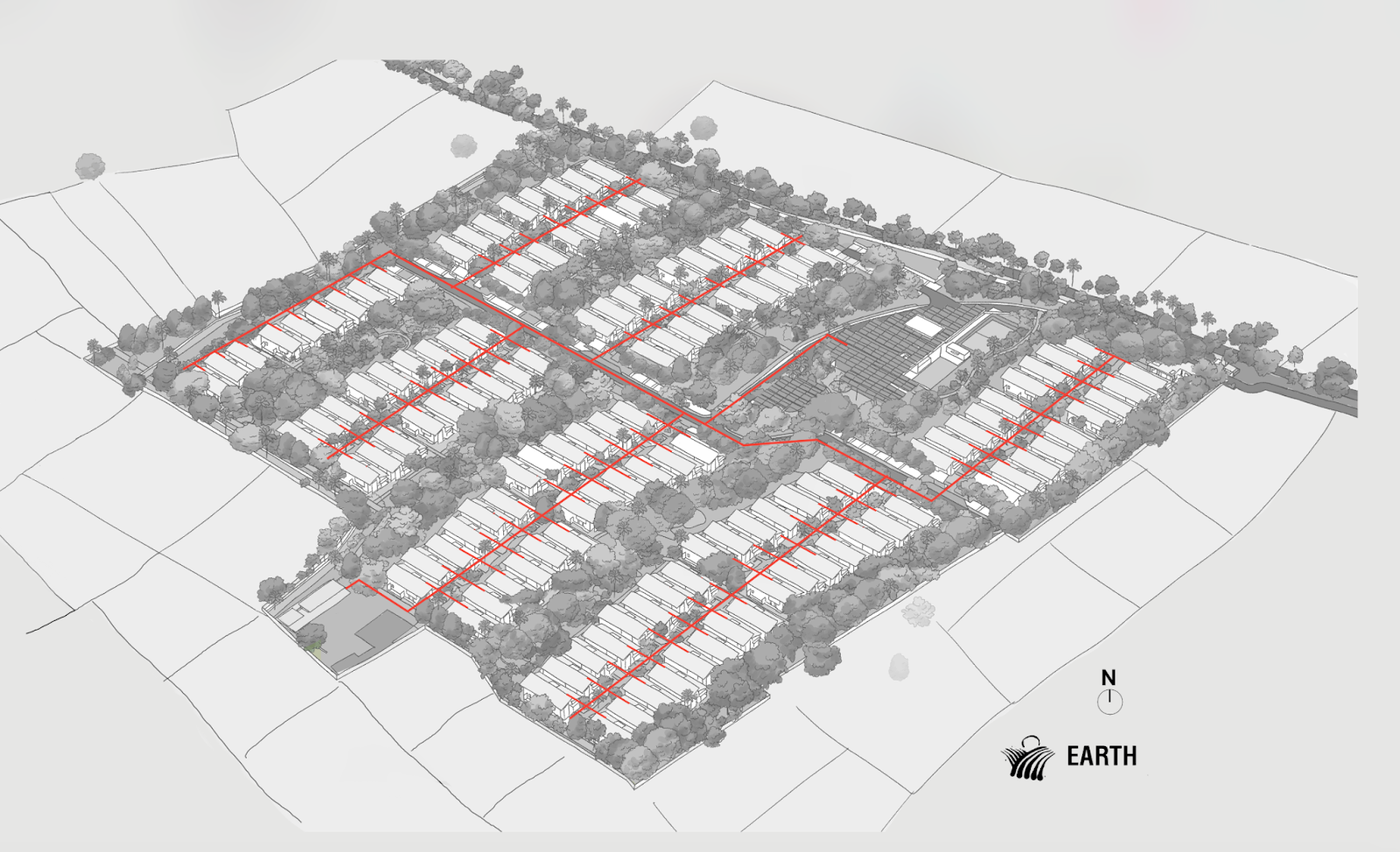
4. Earth: Building with the Land
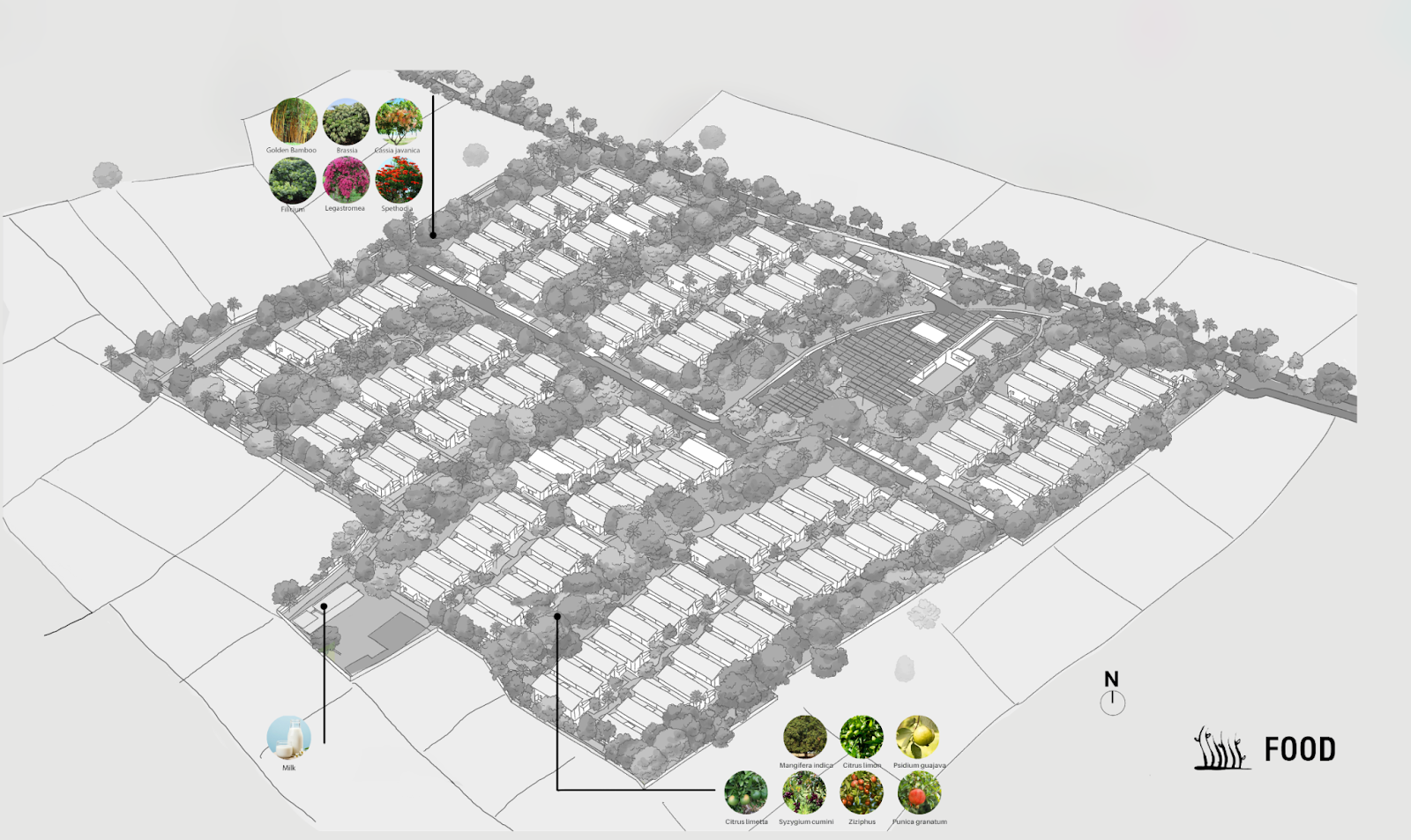
Our approach to the earth is simple: don’t just flatten it, understand it, work with it.
Spatial Zone: Earth-buffer strips, composting yards, tree belts, forest edges, topsoil holding areas all aim at regeneration and preservation.
5. Shelter: Homes with Breath and Memory
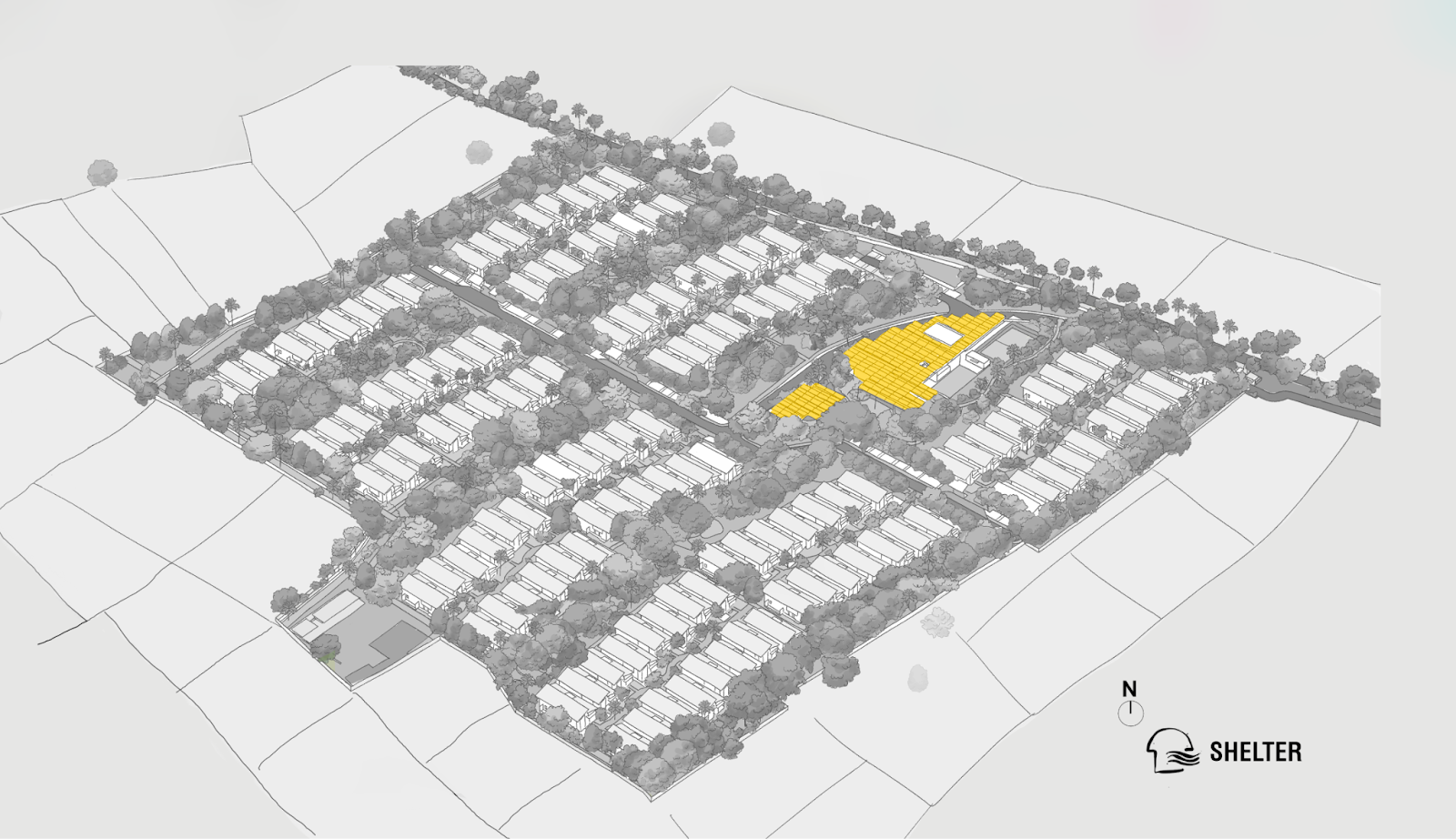
A home isn’t a product, it’s a host that nurtures, remembers, protects and hosts.
Spatial Zone: Flexible home clusters, veranda-linked commons, inward-outward courtyards, threshold spaces are all enablers to moments of connection.
6. Energy: Quiet, Clean, and Local
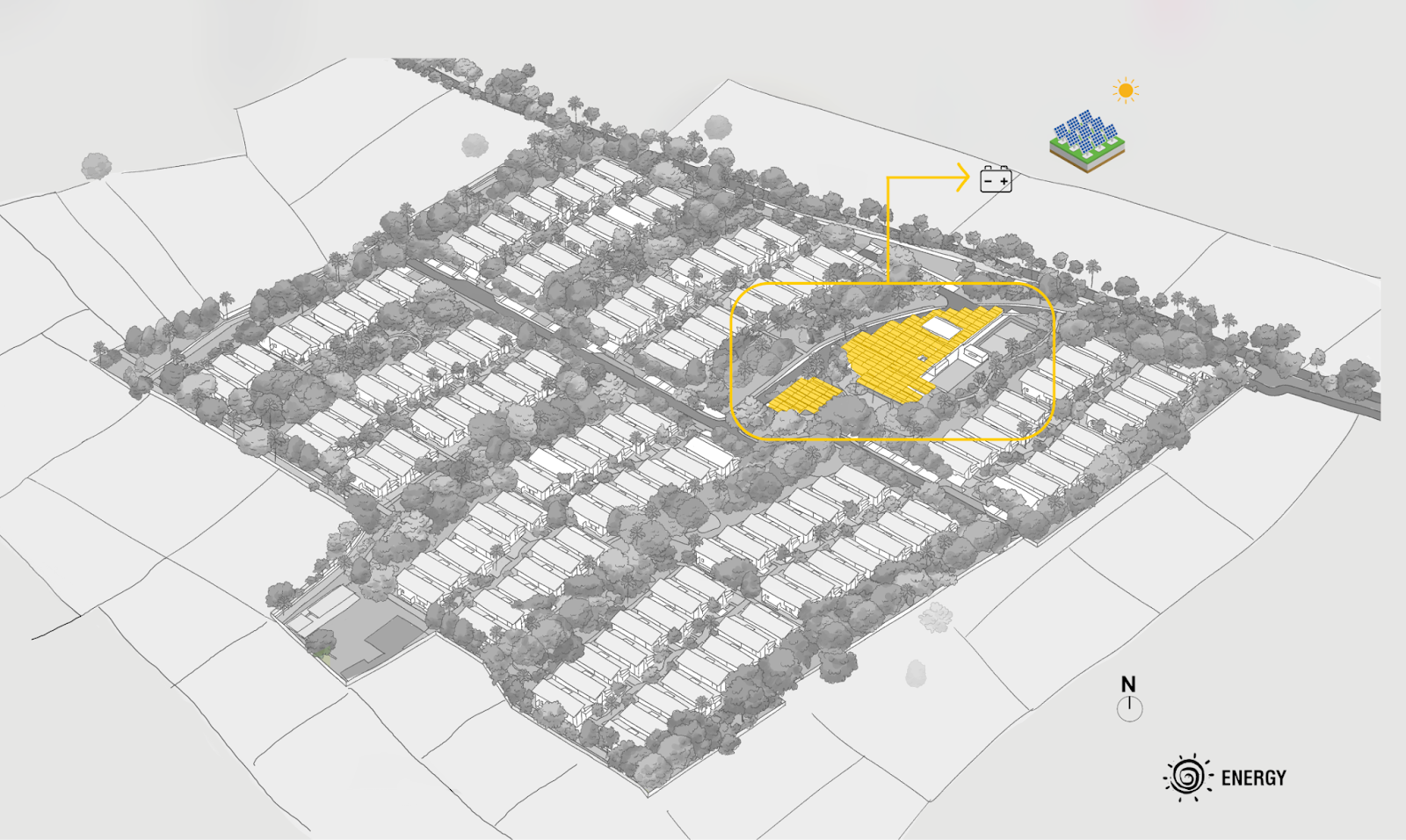
Our design aims not just to use clean energy, but, going further, minimising its use through design.
Spatial Zone: Solar roofs, utility panels, energy commons, low-light zones.
7. People: Designed for Daily Interactions
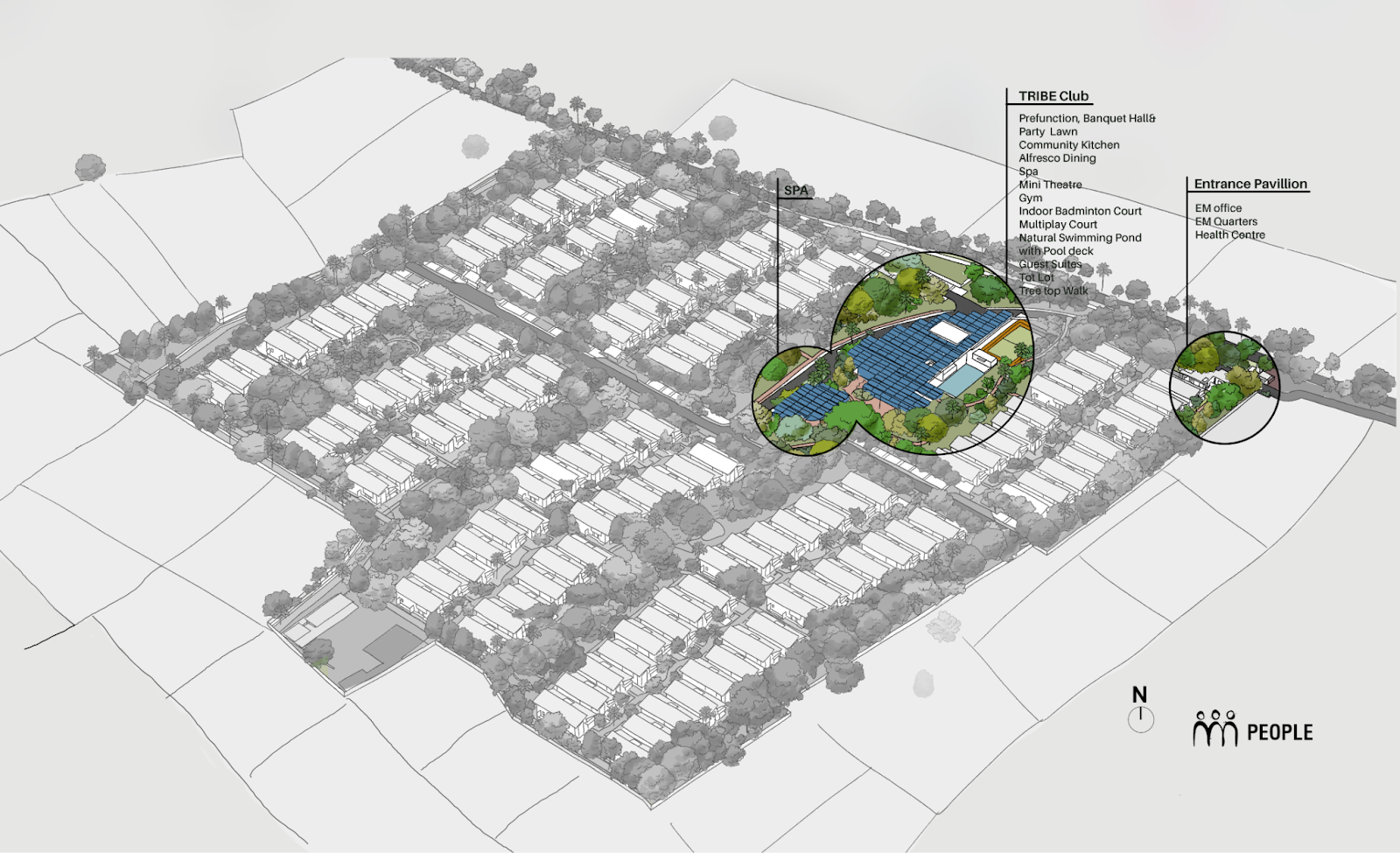
People are not last on the list, they’re at the center of design for home and community.
Spatial Zone: Veedhi corners, rest stops, forest pavilions, sabha zones, shaded seats ensure being outdoors, spending time as a community is fun , not a must-do on a list.
A Master Plan That Lives the Sapthapatha
At Organo Ibrahimpalle, sustainability isn’t a label we add to check a box. It’s the very grammar of the master plan.
Sapthapatha isn’t an idea we preach. It’s a map we follow, from first line to final breath.
Because the future we want won’t be designed in concrete. It will be grown, step by step, from earth, air, water, food, and care.
We are a cross-functional and research-focused team of architects, engineers, and technical experts, who ideate, refine and detail eco habitat products, components, and solutions. Our core intent is to co-create and manifest apt rurban lifestyles across all eco-habitat components to celebrate the living for respective user groups. From earth-friendly neighborhoods to home interiors, we’ve got it all covered.
Instagram: https://www.instagram.com/studioorgano/
Website: https://www.organo.co.in/studio-organo
If you’d like to know about our design explorations or if you would like to be part of our user research as we refine the design, please email us at studio@organo.co.in