.svg)
.avif)
Landscape Philosophy Behind Our Master Plan
Landscape Philosophy Behind Our Master Plan
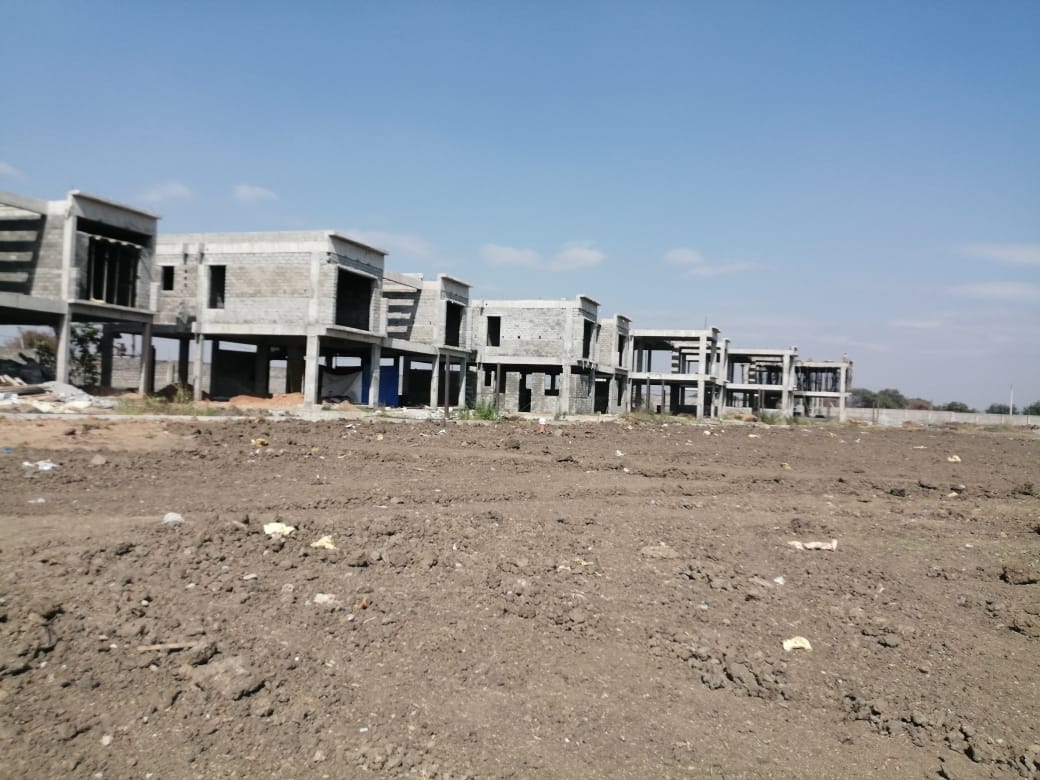
When you walk through the site at Ibrahimpalle, there’s a noticeable stillness, less from silence, more from a sense of alignment. The land feels intact. Not carved up or reshaped. That’s intentional.
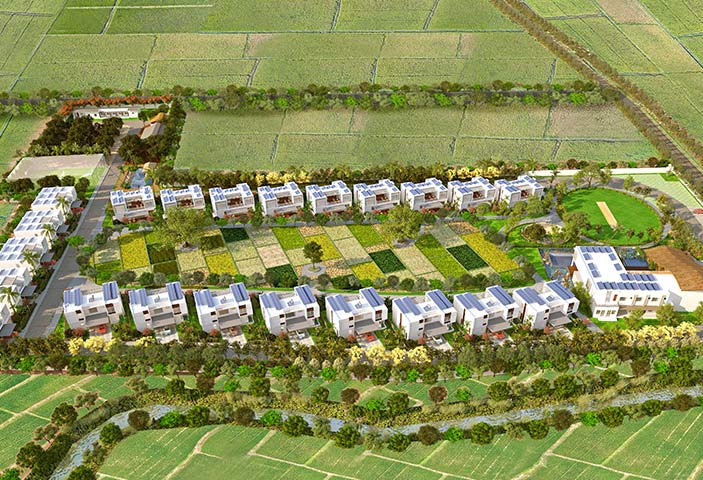
This community was never designed in isolation. It was shaped in response. To terrain, to weather, to native species. From the first layout sketch to the last cluster line, the master plan grew out of a conversation with the site.

Designing from the Land, Not Against It
Ibrahimpalle’s terrain carries natural contours, water flows, tree lines and soil profiles. Rather than flattening it, the planning team paid attention to what was already there.
We started by mapping the natural elements that defined the place: the drainage lines during a strong monsoon, the morning light moving through native trees, the way the wind flowed through an open corridor.
Four key principles shaped the design:
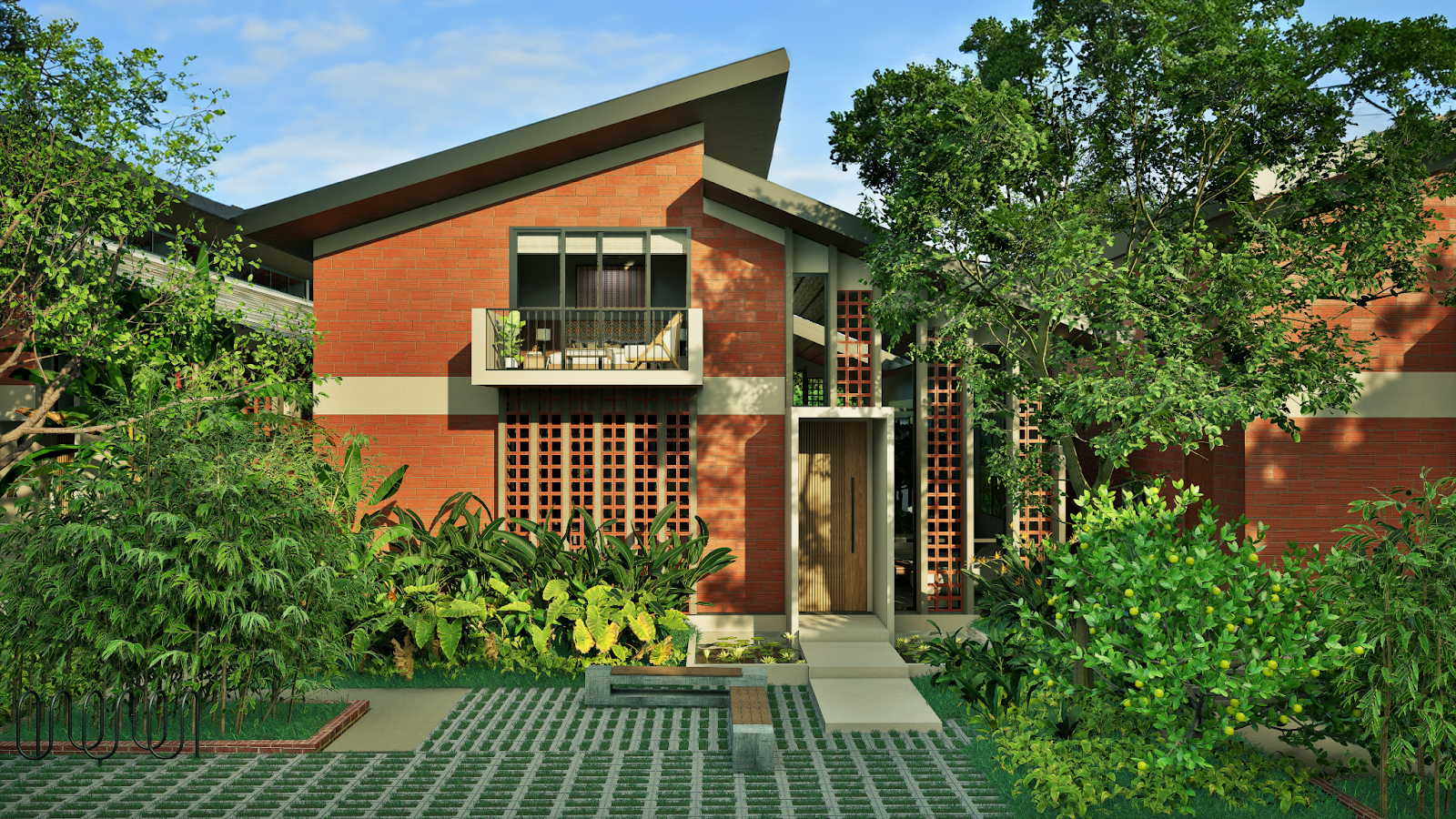
1. Respecting Natural Drainage
The site’s water flow patterns weren’t rerouted, they were retained and reinforced.
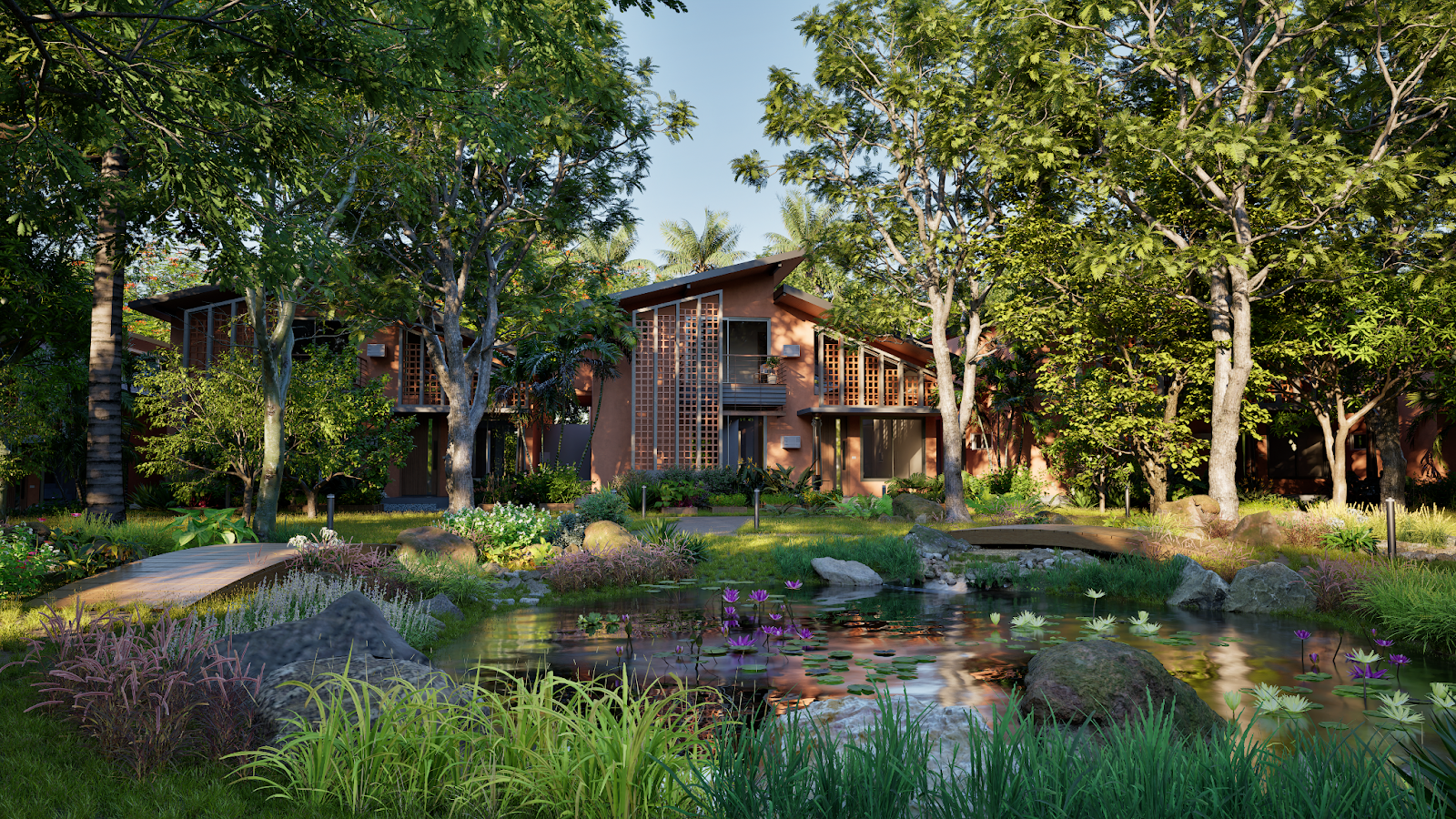
Rain gardens, swales and open ponds were placed where water already moved. 1% gradient slopes feed water to these catchments. Here, rainwater harvesting isn’t just a sustainability add-on, it’s part of how the streets themselves were planned.
2. Orienting for Wind and Light
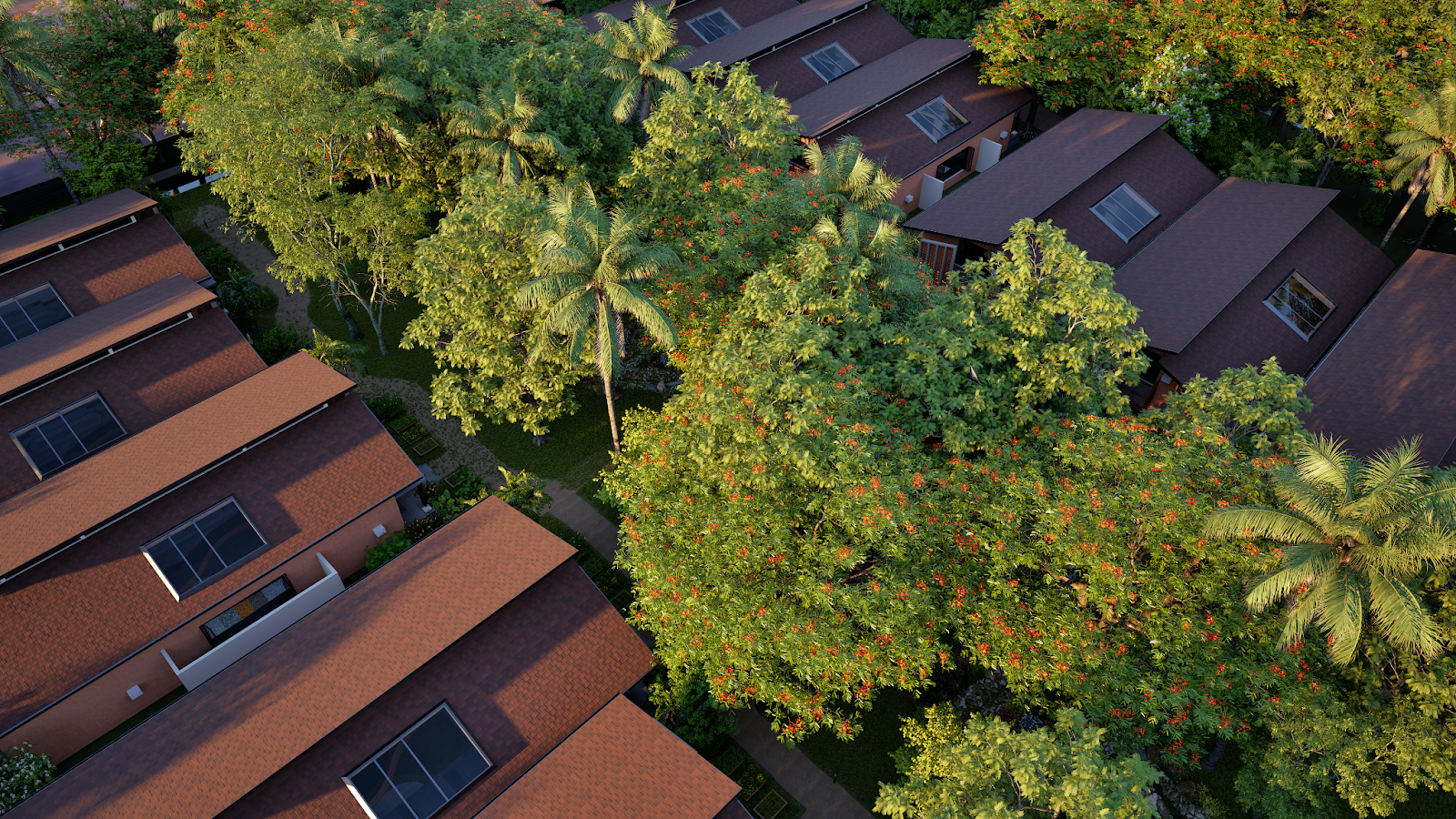
Every home placement considers air and sun. Cross ventilation wasn’t optional, it was a design necessity. Trees weren’t used for symmetry, but for shadow. Courtyards and common spaces were aligned to morning light and afternoon shade.
3. Layering the Edges
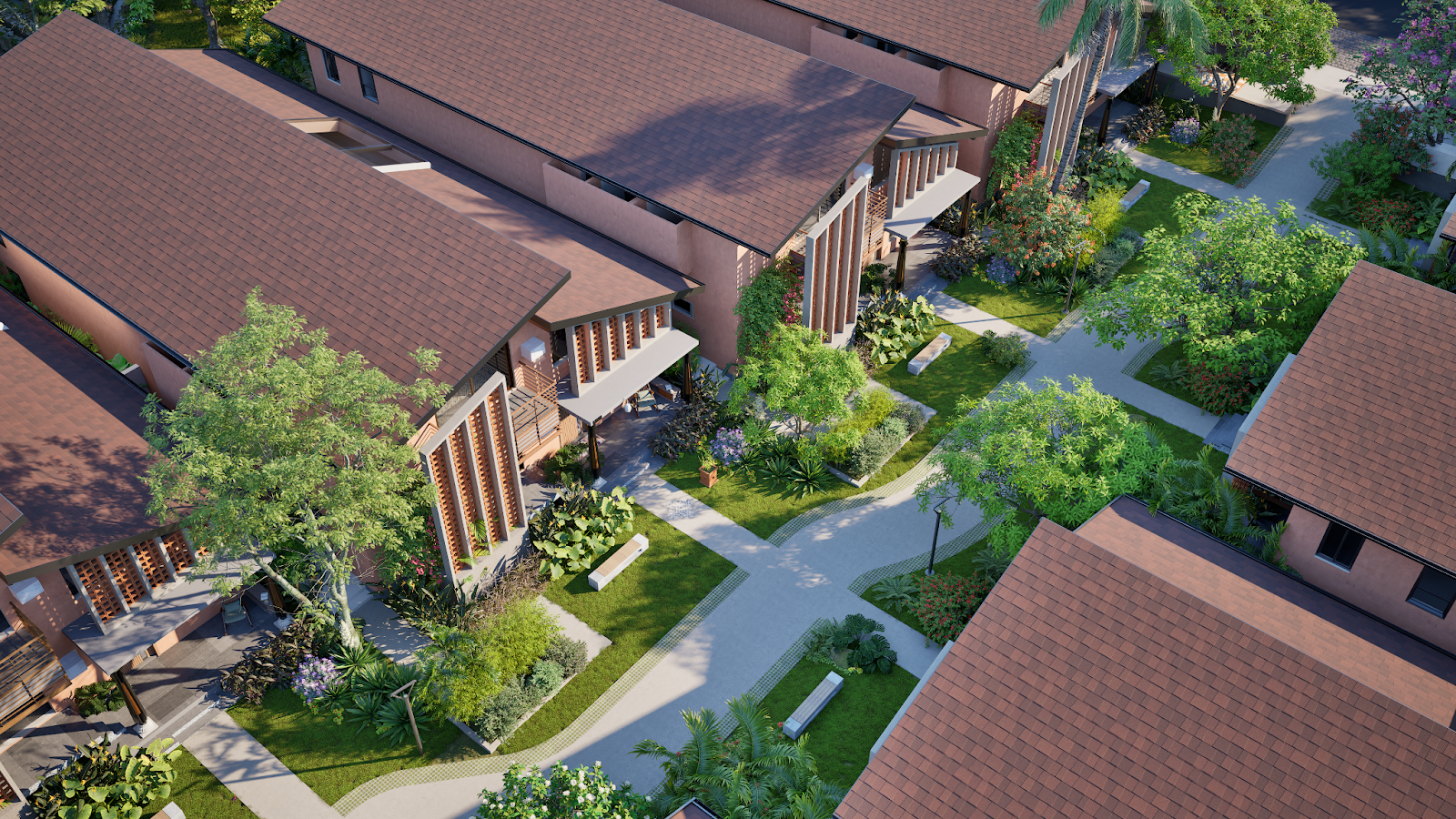
Instead of fences or walls, layered planting zones define thresholds.
One edge holds fruit-bearing trees, the other opens to food forests. The houses feel part of a living system rather than a standalone plot.
4. Moving Without Disruption
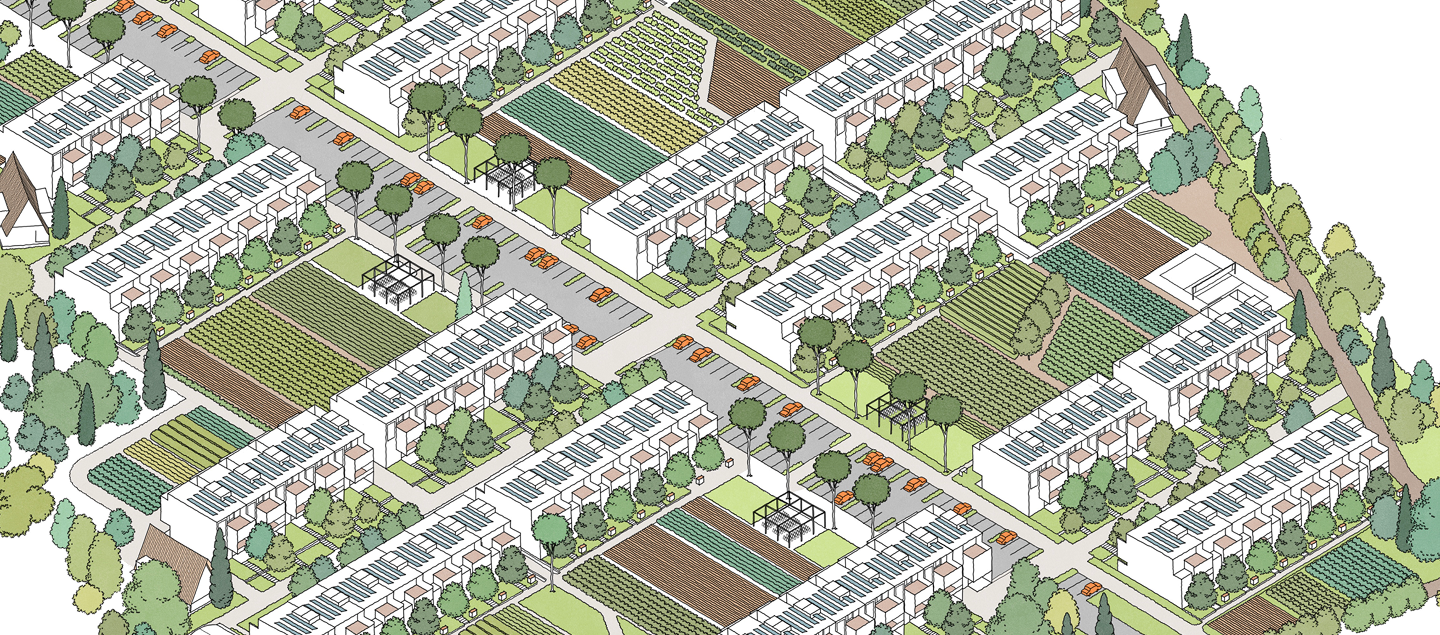
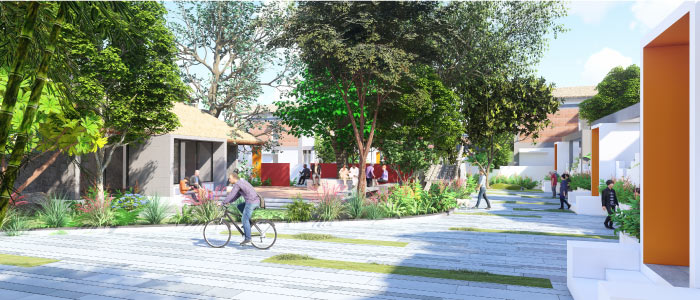
Veedhis curve with the terrain instead of cutting through it.
Roads slow you down without demanding it. From the placement of benches to the design of porous pavements and tree-lined paths, movement is made to feel natural.
A Place for Every Being
This isn’t just a layout for families, it’s designed for rhythms, across species and generations.
Children find food forests to pick guavas from, creeks to walk beside, and soft mounds to climb.
Adults encounter gardens they can tend to, verandas they can share tea in, and picnic spaces that don’t need to be booked in advance.
Elders find shade, reflexology paths, and corners where conversations naturally take place.
Pollinators and wildlife have been considered at every layer: canopy trees, understory plants, herbs, roots and vines form a tree guild system that supports biodiversity.
Where Design Reflects Philosophy Certain elements in the plan are more than features; they reflect intent.
Meandering Veedhis
These winding paths aren’t decorative. They are social corridors. They slow vehicles, open up corners for conversation, and allow space for greenery to grow without conflict.
Food Forests
Planted not just for productivity, but for familiarity. Guava, curry leaf, ginger and lemongrass. Edibles that are useful, seasonal, and rooted in memory.
Cultivation Fields
A living landscape needs active use. These fields allow for seasonal planting, be it net houses or climbing vines. The land isn’t ornamental; it produces.
Rain Gardens & Reflexology Paths
These spaces combine ecological utility with daily use. Walks become mindful. Water retention becomes visible. Design isn’t hidden, it supports daily rhythms.
Lighting Strategy
Soft lighting keeps paths usable while preserving dark zones for wildlife. No over-illumination. No floodlighting of green cover. Just enough light where needed.
Not a Backyard. A System
For a homeowner, what does this mean?
It means your personal garden is not a private patch of grass, but part of a forest guild.
Your garden doesn’t separate your home from others; it connects it.
Your child’s play area isn’t synthetic, it’s shaded by fruit trees and buzzing with life.
Even the social spaces, courts, clubs, meeting zones, are shaped by landscape, not just architecture. They belong to the land first, and the plan second.
Closing Thought
Ibrahimpalle’s master plan is not about zoning. It’s about listening.
The land spoke of water flows, sunlight angles, species that thrive. The plan, in return, responded with care.
The result isn’t a layout. It’s a rhythm.
One that slows movement. Respects life. And reminds us that we live best when we don’t overpower the place we live in.
Related blogs


%2520(1).jpeg)
.png)