
By
Why We Choose Stone, Metal, Wood, and Texture at Ibrahimpalle
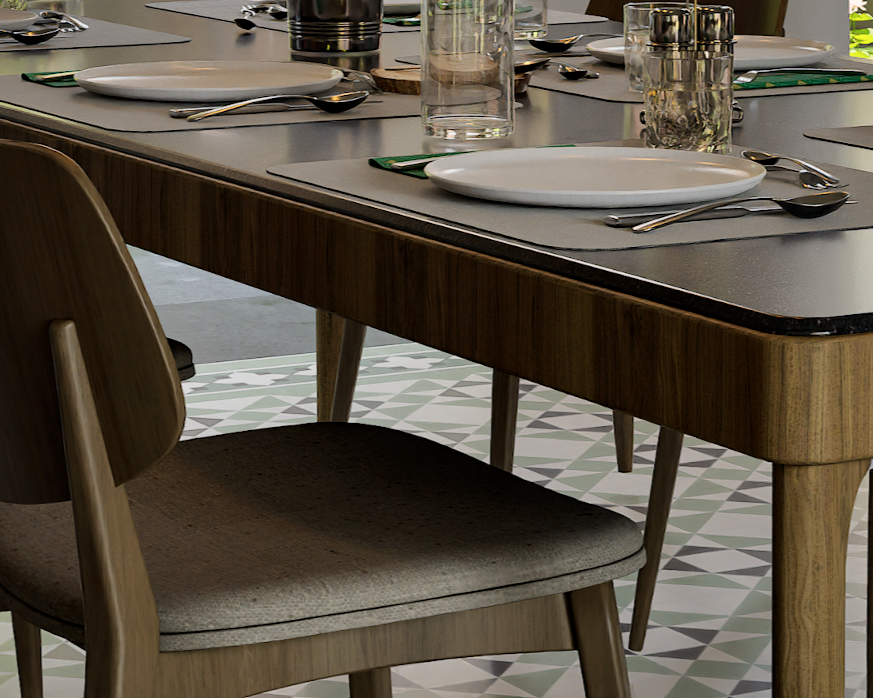
At Ibrahimpalle, we didn’t begin our material selection by looking at trends. We began with a question: What makes a space feel lived in? Not just immediately, but over time. What materials carry warmth, allow for weathering, and grow more familiar with every passing year?
This led us to choose a material palette that is tactile, breathable, and honest. A palette that reflects the environment around us and invites use, not just admiration.
Stone That Grounds
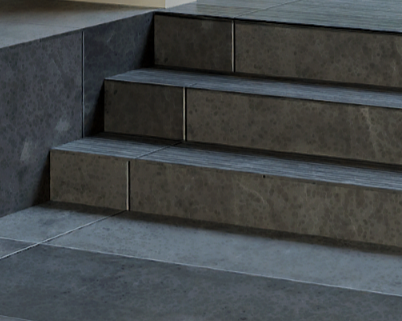
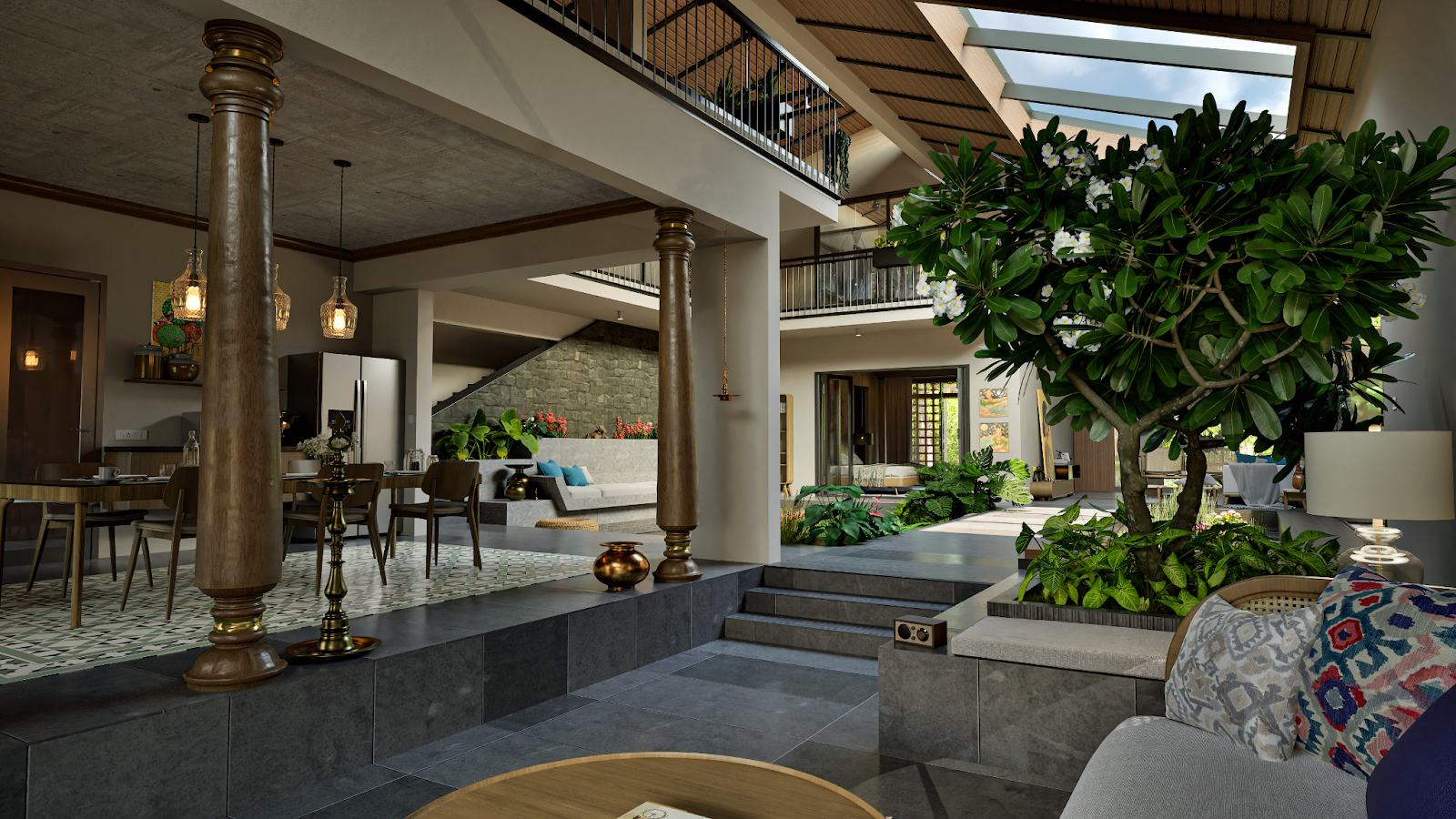
The story starts underfoot. The floors at the Ibrahimpalle model home are finished in natural stone: Kota, Tandur, and hand-cut granite. These surfaces stay cool in summer and grounded during the monsoon. They don’t shine. They don’t ask for attention. But they hold space with quiet strength.
This stone also carries memory. It’s the kind you’d find in traditional verandas or ancestral homes. Here, it’s been applied with cleaner joints and modern detailing, but the feeling remains. You know it under bare feet. You trust it with time.
We’ve used stone not just for floors but also for ledges, thresholds, and sills. In all these places, it feels firm, generous, and honest.
Wood That Warms
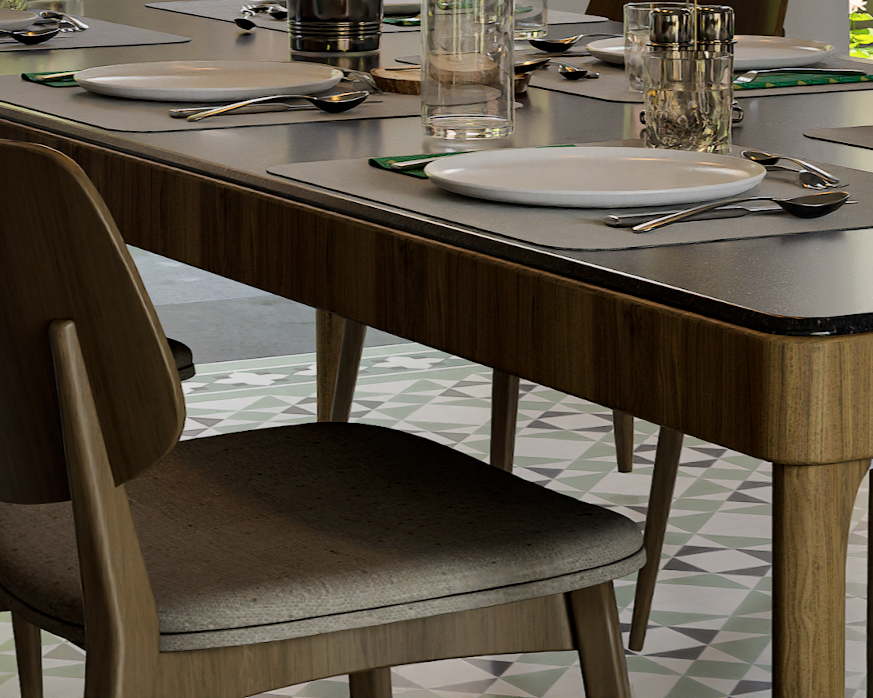
Wood in the model home is not decorative. It is structural and expressive. Solid timber appears in wardrobes, seating nooks, and framed mirrors. The finishes are not glossy. They are soft and matte, showing off the grain, not hiding it.
We wanted the kind of wood that feels familiar. Not bulky, but rooted. The memory of a cabinet opening with a creak. A bench that has grown smooth with use. Our approach brings that warmth forward but with updated joinery, recessed handles, and less visual weight.
In one bedroom, a four-poster bed made of teak anchors the space. It’s quiet but holds presence, a nod to heritage, not a replica.
Metal That Frames
There is metal too, but it doesn’t dominate. It supports.
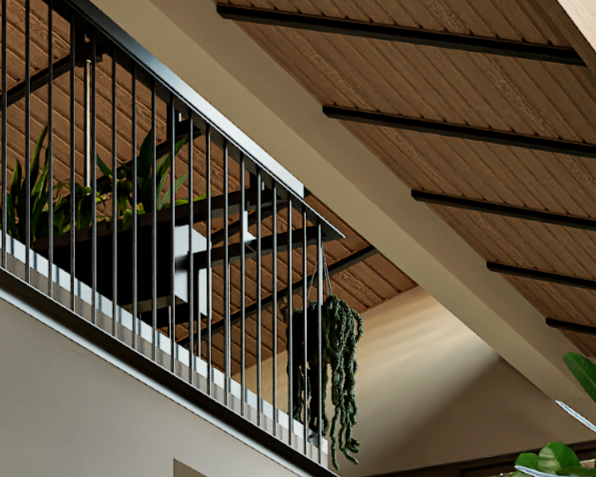
Mild steel, powder-coated in black, appears in the details. A railing that outlines a courtyard. A swing bracket. A pivot for a glass cabinet. These details borrow their restraint from traditional forms, like temple rods, but are reinterpreted with cleaner lines.
The role of metal here is subtle. It lends structure and rhythm without drawing focus. It lets the warmer materials breathe.
Walls That Breathe
For wall finishes, we’ve stayed away from Voc paints. Instead, we used non Voc paints. These allow the walls to stay fresh longer and are healthier for residents. They also age well and catch light gently.
Some walls can be finished with hand-applied textures, a vertical pattern here, a soft curve there. These are not standout features. They are quiet touches you feel when you lean against a surface or pass by a corner.
In rooms where you pause, these finishes make the space feel more considered.
Textiles That Set the Tone
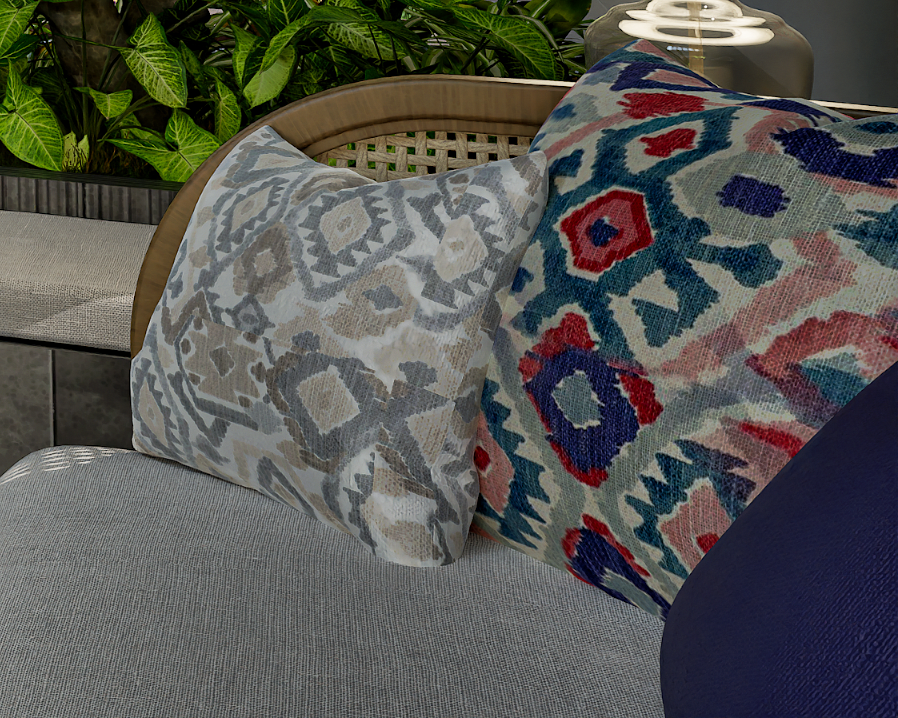
Hard surfaces are only half the story. The textiles in the home are natural and soft, cotton curtains, linen throws, and jute rugs. Their job is not to decorate but to balance.
The colours are not bold. They are familiar: saffron, dusty pink, pale green. Shades you’ve seen in turmeric, mango leaves, or sun-dried linen. Together, they lend the space a tone that is lived in rather than styled.
This softens the experience of the home. It makes it easier to settle.
Materials that Support Life
One way we tested our material choices was to imagine how they would hold up in use.
A wooden bench near the kitchen might serve as a place to sit and prep vegetables or simply catch your breath. Could it withstand weight and regular use?
A floor desk near the landing alcove might be used to draw, write, or pay bills. Could it carry ink stains or scratches with grace?
A stone floor near the threshold might catch the day’s dust, monsoon footprints, or a fallen plate. Would it show every mark, or age with dignity?
The goal was not to avoid use but to welcome it. To allow for life to leave its marks: soft dents, discolouration, a bit of patina. These are signs of time. Not flaws, but memory.
Design for Daily Use
Our choices were not based on showrooms. They were made for how people live.
We imagined family routines. The feel of cool stone on a hot day. The reassurance of polished wood under the hand. The slight unevenness of a handmade surface that feels different each time you touch it.
In Ibrahimpalle, we want homes to support these experiences. Not by being precious. But by being durable, responsive, and comfortable.
Built for Time, Not Just Today
When someone walks into the model home, we don’t want them to be overwhelmed. We want them to exhale.
This is a home that isn’t trying to impress. It is simply ready. Ready for people to bring their belongings, routines, and stories. Ready to age along with them.
We believe homes should feel like they belong to their environment, their people, and their time. That’s why the materials we chose aren’t flashy. They’re simply right.
We are a cross-functional and research-focused team of architects, engineers, and technical experts, who ideate, refine and detail eco habitat products, components, and solutions. Our core intent is to co-create and manifest apt rurban lifestyles across all eco-habitat components to celebrate the living for respective user groups. From earth-friendly neighborhoods to home interiors, we’ve got it all covered.
Instagram: https://www.instagram.com/studioorgano/
Website: https://www.organo.co.in/studio-organo
If you’d like to know about our design explorations or if you would like to be part of our user research as we refine the design, please email us at studio@organo.co.in